Phone: +86-178-1682-8319 | Email: sales@befitter.com.cn

Views: 0 Author: Site Editor Publish Time: 2026-03-16 Origin: Site
Print Finishing plays a crucial role in transforming ordinary printed materials into visually striking and durable marketing tools. From lamination and UV coating to embossing and foil stamping, modern print finishing techniques help enhance appearance, texture, and longevity. Understanding the top print finishing methods allows businesses to choose the right enhancements for brochures, packaging, business cards, and promotional materials. In this guide, we explore seven essential print finishing techniques and explain how they improve branding, protection, and the overall impact of printed products.
Print finishing refers to the processes applied after a printed piece has been produced. Once the ink is transferred to paper and fully dried, printers may apply additional treatments to improve the final product. These treatments modify the surface, shape, or texture of printed materials, giving them a more refined and professional appearance.
In many cases, finishing techniques enhance how printed materials look, feel, and perform. Some finishes add shine or texture, while others provide protection against scratches, moisture, or fading. Because of these advantages, print finishing plays an important role in modern marketing and branding materials.
In simple terms, print finishing includes any process that occurs after the printing stage to improve a printed product. These processes can involve coatings, shaping techniques, or texture enhancements that make the final piece more appealing and functional.
Common finishing techniques include:
Lamination
Varnishing
UV coating
Foil stamping
Embossing and debossing
Die cutting
Each method changes the way printed materials appear or feel. Some focus on visual enhancement, while others provide structural support or protection.
| Aspect | How Print Finishing Helps |
|---|---|
| Appearance | Adds gloss, matte texture, or metallic effects |
| Durability | Protects prints from scratches, moisture, and fingerprints |
| Functionality | Allows custom folds, shapes, and interactive elements |
| Tactile Experience | Creates raised, soft, or textured surfaces |
Because of these improvements, a simple brochure or card can feel more premium and memorable.
Printed materials still play a strong role in marketing. In a world full of digital ads and messages, physical prints with unique finishes can attract attention immediately. Print finishing helps businesses present their brand in a more professional and memorable way.
Finishing techniques often create stronger visual impact. Metallic foil, glossy coatings, or embossed designs can add depth and elegance to printed pieces. These small details communicate quality and professionalism, which can influence how customers perceive a brand.
Many printed materials are handled frequently, so durability matters. Finishes such as lamination or UV coating protect the surface from scratches, stains, and fading. As a result, materials like menus, catalogs, and business cards maintain their appearance for a longer time.
Touch plays an important role in how people interact with print. Finishes such as embossing, soft-touch coating, or raised UV create textures that invite readers to pick up and explore the material. This physical interaction can increase engagement and make the content more memorable.
In crowded environments—trade shows, mail campaigns, retail shelves—printed materials compete for attention. Finishing techniques help brands differentiate their marketing pieces. A glossy highlight on a logo or a uniquely shaped brochure can quickly catch the eye and encourage someone to take a closer look.
Many types of marketing materials benefit from finishing processes because they need both visual appeal and durability.
Business cards often use premium finishes such as spot UV, foil stamping, or soft-touch lamination. These techniques help create a strong first impression and reinforce brand identity.
Brochures and flyers frequently include varnish or UV coatings to enhance images and colors. These finishes also protect the printed surface from smudges and wear during distribution.
Packaging materials rely heavily on finishing techniques. Embossed logos, metallic foils, and spot UV highlights can improve shelf appeal and make products appear more premium.
Presentation folders often use lamination or embossing to create a professional look. These finishes help maintain durability while organizing documents for meetings or proposals.
Posters and marketing collateral may include glossy coatings or UV finishes to make colors appear brighter and more vibrant. Such enhancements help posters capture attention quickly in busy environments.
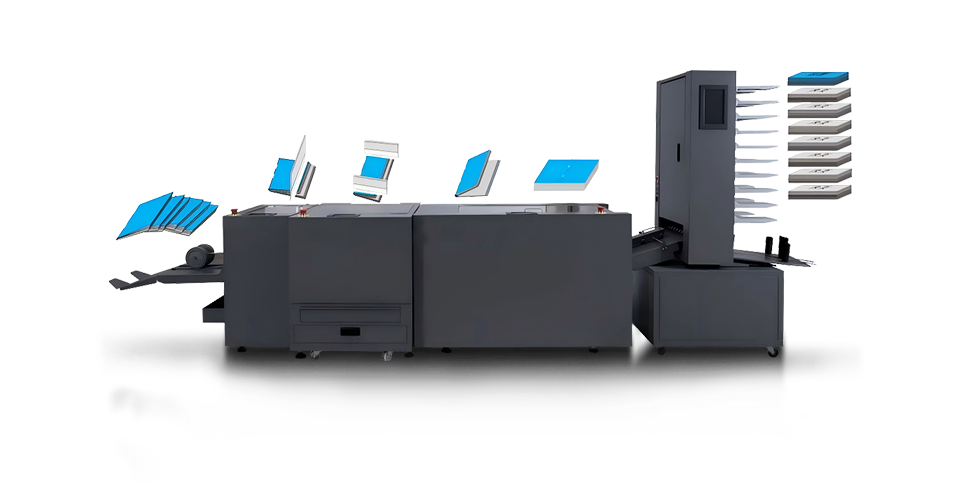
Print finishing techniques improve how printed materials look, feel, and function. Designers use them after printing to add texture, protection, or unique shapes. Some methods enhance durability. Others focus on visual impact or tactile engagement. Below are seven widely used print finishing techniques.
Cutting and creasing shape printed materials and prepare them for folding. They help create functional designs for brochures, packaging, and promotional pieces.
Cutting removes sections of printed material using specialized equipment. Most printers rely on die cutters, tools designed to cut precise shapes. They work much like cookie cutters. Paper goes under the die. Pressure applies. The shape appears instantly.
Designers use cutting for many creative purposes:
Custom-shaped brochures
Window openings in packaging
Rounded business card corners
Interactive mailers
Custom shapes often attract attention faster than standard rectangles.
Creasing forms a controlled fold line on paper. It presses a groove into the sheet before folding occurs. This small step prevents cracking along the fold. Without creasing, thick paper may break or show uneven edges. Creasing solves the problem.
Common applications include:
Tri-fold brochures
Greeting cards
Product packaging sleeves
Presentation folders
Lamination protects printed materials by adding a thin plastic layer over the surface. It improves strength and appearance at the same time.
During lamination, printers apply a transparent film onto paper. Heat or pressure seals the layer. The surface becomes smoother and stronger.
Two common methods exist:
| Lamination Type | Description |
|---|---|
| Film Lamination | Plastic film applied to paper using heat and pressure |
| Liquid Lamination | Clear coating spread over paper then cured |
Both methods protect the printed surface from wear.
| Lamination Type | Description | Common Use |
|---|---|---|
| Gloss Lamination | Creates a shiny surface and enhances color brightness and vibrancy. | Marketing brochures, posters, product catalogs |
| Matte Lamination | Reduces glare and provides a smooth, elegant finish. | Corporate brochures, book covers, presentation folders |
| Soft-Touch Lamination | Produces a velvet-like texture and a premium tactile feel. | Luxury packaging, premium business cards, high-end branding materials |
Adds durability to printed materials
Protects against moisture and scratches
Enhances color depth and tactile quality
Lamination works best for materials handled often:
Business cards
Restaurant menus
Book covers
Product catalogs
These prints stay clean and professional longer.
Varnishing applies a thin coating to printed surfaces. It improves appearance while adding a layer of protection.
Printers spread a liquid coating across selected areas or the entire page. The coating dries quickly. A smooth finish appears. Varnish works well for magazines, brochures, and flyers.
Gloss varnish reflects light strongly. Images appear sharper. Colors look richer.
Matte varnish removes shine. It produces a softer and more refined look.
Silk varnish sits between gloss and matte. It offers subtle shine and smooth texture.
Machine sealing adds a nearly invisible protective layer. High-volume materials often use it, especially leaflets and flyers.
UV coating uses ultraviolet light to cure a liquid coating on paper. It forms a durable and glossy surface.
Printers apply a clear coating onto printed material. UV lamps cure the coating instantly. The result feels smooth and hard. UV finishes improve durability and visual impact.
| UV Finish Type | Description |
|---|---|
| Full UV Coating | Covers the entire printed surface |
| Spot UV | Applied only to selected areas |
| Textured / Raised UV | Creates tactile and dimensional effects |
Improves scratch resistance
Enhances color vibrancy
Creates a premium glossy appearance
Foil stamping adds metallic accents to printed materials. It often appears on luxury packaging or premium stationery.
A heated metal die presses foil onto the paper surface. Pressure transfers the metallic layer. The design remains embedded. The result appears shiny and decorative.
| Foil Type | Visual Effect | Common Applications |
|---|---|---|
| Gold Foil | Produces a rich metallic gold shine that conveys luxury and prestige. | Premium packaging, certificates, luxury business cards |
| Silver Foil | Creates a sleek metallic silver finish that looks modern and professional. | Corporate branding, invitations, product packaging |
| Pigmented Foil | Offers solid colors without metallic shine, allowing bold design accents. | Logos, decorative graphics, colorful branding elements |
| Holographic Foil | Reflects multiple colors under light, producing a rainbow-like effect. | Promotional materials, packaging, security labels |
| Security Foil | Includes special patterns or features that help prevent counterfeiting. | Tickets, official documents, authentication labels |
Embossing and debossing change the physical surface of printed materials. They add dimension and texture.
Embossing raises certain design elements above the paper surface. Metal dies press the material from below. The result appears three-dimensional. Raised logos often feel sophisticated.
Debossing pushes the design inward instead of outward. It creates an indented effect on paper. Many brands use debossing for subtle elegance.
| Technique | Effect | Typical Use |
|---|---|---|
| Embossing | Raised design | Logos, titles |
| Debossing | Indented design | Minimalist branding |
Designers sometimes mix embossing with other techniques:
Foil stamping + embossing for luxury packaging
Spot UV + embossing for layered visual effects
These combinations increase depth and visual appeal.
Thermography creates raised printing effects using powder and heat.
A special powder applies to wet ink areas. Heat then melts the powder. It expands slightly. Raised lettering forms. The finish resembles embossing but costs less.
The process includes three steps:
Ink applied to paper
Resin powder added to wet ink
Heat melts powder, forming raised text
The raised surface catches light easily.
| Thermographic Effect | Description | Common Applications |
|---|---|---|
| Metallic Finishes | Uses metallic powder to create a shiny, reflective raised surface. | Invitations, certificates, premium stationery |
| Glitter Effects | Contains glitter particles that produce a sparkling and decorative appearance. | Greeting cards, promotional prints, event materials |
| Fluorescent Finishes | Uses bright fluorescent powder to create vivid and highly visible colors. | Posters, promotional flyers, attention-grabbing marketing prints |
Lower cost compared to embossing
Strong emphasis on logos or text
Suitable for invitations and stationery
A: Lamination is one of the most widely used print finishing methods. It adds a thin protective layer over printed materials, improving durability and appearance. Gloss, matte, and soft-touch lamination are common options. Many businesses choose lamination for business cards, menus, book covers, and catalogs because it protects prints from moisture, scratches, and daily wear.
A: Lamination uses a plastic film bonded to the printed surface, creating a strong protective layer. Varnish, however, is a liquid coating applied during finishing and dried on the surface. Lamination offers greater durability and moisture resistance, while varnish mainly enhances visual appearance and adds a light protective coating.
A: It depends on the project. Embossing creates a pressed, raised design using metal dies and pressure, giving a refined and high-end look. Thermography uses heat and powder to produce a raised ink effect. Embossing often appears more premium, while thermography provides a similar visual effect at a lower cost.
A: Yes, many printed products combine multiple finishing techniques to achieve stronger visual impact. For example, designers may use foil stamping together with embossing to highlight logos, or apply spot UV on top of matte lamination. Combining finishes helps create unique textures, stronger branding, and more eye-catching marketing materials.
Choosing the right print finishing techniques can significantly elevate the impact of your printed materials. From protective lamination to eye-catching foil stamping and tactile embossing, these finishing options help businesses create stronger brand impressions while improving durability and usability.
If you are looking for reliable printing equipment and finishing solutions, Hangzhou Befitter Machinery & Electronic Co., Ltd. offers advanced machinery designed to support efficient and high-quality production. With the right equipment and finishing strategy, your printed materials can stand out, attract attention, and communicate your brand message more effectively.


