Phone: +86-178-1682-8319 | Email: sales@befitter.com.cn

Views: 0 Author: Site Editor Publish Time: 2026-06-22 Origin: Site
The Global Packaging Boom Behind the FIFA World Cup. Every four years, the FIFA World Cup captures the attention of billions of fans worldwide. While most people focus on the matches, players, and championship trophy, another massive industry begins preparing years before kickoff—the global packaging industry.
Table of Contents
The FIFA World Cup is much more than a sporting event. It is a worldwide commercial ecosystem involving licensed merchandise, food and beverage promotions, retail campaigns, publishing, hospitality, luxury gifts, and e-commerce. Each of these sectors relies on high-quality packaging to deliver products to consumers, creating enormous demand for packaging converters and post-press finishing manufacturers.
According to industry reports, major international sporting events generate billions of dollars in merchandise sales and promotional products. From official jerseys and footballs to limited-edition beverage cans, collector's albums, luxury gift boxes, and retail display packaging, nearly every product requires multiple post-print finishing processes before reaching the market.
For packaging manufacturers, these events represent more than seasonal business opportunities. They create predictable demand cycles that encourage investment in automation, production capacity, and finishing technologies capable of delivering consistent quality under tight deadlines.
In this article, we'll explore how the FIFA World Cup influences global packaging demand, which industries experience the fastest growth, what types of packaging become essential, and why post-press finishing equipment plays a critical role in meeting these production requirements.
Unlike traditional seasonal promotions, the FIFA World Cup combines global consumer attention with intensive marketing campaigns that last for months. Brands from virtually every industry compete for visibility through limited-edition products, promotional packaging, sponsorship campaigns, and retail displays.
This widespread commercial activity significantly increases the demand for both packaging materials and post-press finishing services.
Several factors contribute to this surge.
Official FIFA merchandise includes thousands of product variations distributed across global markets.
Examples include:
Footballs
Team jerseys
Scarves
Caps
Flags
Toys
Collector figurines
Trading cards
Accessories
Many of these products require premium folding cartons or rigid boxes designed to protect the product while enhancing shelf appeal. Limited editions often incorporate luxury finishing techniques such as soft-touch lamination, spot UV, embossing, foil stamping, and magnetic closure boxes to increase perceived value.
As a result, converters producing licensed merchandise packaging typically experience increased workloads months before the tournament begins.
Major sporting events significantly increase food and beverage consumption.
Global beverage brands frequently launch World Cup-themed promotions featuring:
Special packaging graphics
Collectible bottle labels
Gift cartons
Promotional multi-packs
Retail display units
Snack manufacturers introduce seasonal packaging for products such as:
Potato chips
Chocolate
Candy
Biscuits
Popcorn
Energy bars
Restaurants and fast-food chains also develop promotional meal packaging linked to tournament campaigns.
Each of these packaging formats requires efficient die cutting, folding, gluing, laminating, and quality inspection before entering retail channels.
Retailers use major sporting events to attract consumers through eye-catching promotional displays.
During the World Cup, supermarkets, shopping malls, and convenience stores often feature:
Floor displays
Counter displays
Shelf-ready packaging
Promotional gift packs
Point-of-sale materials
Seasonal display stands
Unlike standard packaging, these promotional materials are produced within relatively short timeframes and often require rapid design revisions. Automated post-press equipment helps packaging manufacturers maintain productivity while meeting strict delivery schedules.
Every FIFA World Cup generates an enormous amount of printed content.
Examples include:
Official tournament guides
Match schedules
Collector albums
Hardcover commemorative books
Team yearbooks
Fan magazines
These products demand high-quality finishing processes such as case making, book binding, thread sewing, trimming, and hardcover assembly.
As collector editions become increasingly popular among football fans, premium book manufacturing continues to represent an important market segment for packaging and print finishing companies.
The World Cup also drives demand within the luxury packaging sector.
Sponsors, corporate partners, and hospitality providers frequently prepare customized gift packages for clients, VIP guests, and promotional events.
Typical products include:
Premium wine boxes
Luxury gift sets
Corporate souvenirs
Sponsor presentation boxes
Executive gift collections
These products require rigid box manufacturing technologies capable of delivering exceptional appearance, structural strength, and consistent production quality.
The FIFA World Cup generates demand for far more than footballs and jerseys. Every tournament creates a vast ecosystem of licensed merchandise, promotional products, retail campaigns, hospitality gifts, and commemorative publications. Each product requires carefully designed packaging that protects the item, enhances shelf appeal, and reinforces brand identity.
From high-volume retail cartons to premium rigid gift boxes, packaging plays an essential role in delivering a memorable consumer experience. The diversity of products also means packaging manufacturers must support a wide range of structures, materials, and finishing requirements.
The table below highlights some of the most common packaging products created for the FIFA World Cup.
Product Category | Typical Packaging | Primary Purpose | Typical Post-Press Processes |
|---|---|---|---|
Official Team Jerseys | Folding Cartons | Retail packaging and branding | Die cutting, folding, gluing |
Footballs | Rigid Boxes | Premium presentation and protection | Lamination, rigid box making |
Limited-Edition Merchandise | Luxury Gift Boxes | Collector value and brand image | Lamination, box forming, wrapping |
Trading Cards & Collectibles | Folding Cartons with Inserts | Protection and display | Die cutting, creasing |
Official Tournament Albums | Hardcover Books | Long-term durability | Case making, binding, trimming |
Beverage Promotions | Folding Cartons & Multipacks | Retail promotions | Die cutting, folder gluing |
Snack & Confectionery Products | Paperboard Cartons | High-volume retail sales | Die cutting, folding, gluing |
Sponsor & VIP Gift Sets | Premium Rigid Boxes | Luxury presentation | Rigid box making, wrapping |
Promotional Labels | Self-Adhesive Labels | Branding and limited editions | Label finishing, die cutting |
Retail Displays | Counter & Floor Displays | In-store marketing | Die cutting, gluing, assembly |
Although these products vary significantly in size and structure, they all rely on efficient post-press finishing to transform printed sheets into finished packaging ready for retail distribution. As global brands compete for consumer attention during the tournament, packaging quality becomes an important factor in product presentation and purchasing decisions.
While the FIFA World Cup drives demand across many packaging categories, not all packaging formats experience the same level of growth. Products associated with food promotions, licensed merchandise, collector editions, and retail marketing typically account for the largest increase in production volumes.
For packaging manufacturers, understanding which formats experience the strongest seasonal demand helps prioritize production capacity, equipment investment, and workflow planning.
Folding cartons represent the largest volume of packaging produced during the World Cup. They are widely used for snacks, beverages, toys, promotional products, and licensed merchandise because they combine cost efficiency with excellent printability and fast production speeds.
Demand is particularly high for short-term promotional campaigns, where converters must process large production volumes within limited delivery windows.
Rigid boxes experience strong demand in premium packaging applications, including collector editions, luxury souvenirs, sponsor gifts, and exclusive promotional sets.
As brands increasingly focus on customer experience and perceived product value, rigid boxes have become a preferred packaging format for limited-edition products launched during major sporting events.
Official tournament guides, commemorative books, collector albums, and premium photo books remain important products throughout the World Cup. These publications require durable construction and high-quality finishing, creating consistent demand for hardcover book production.
Beverage companies and consumer brands frequently launch limited-edition packaging during the tournament. Promotional labels featuring exclusive graphics, QR code campaigns, and collectible designs require fast, accurate label finishing and short production cycles.
Supermarkets, convenience stores, and sporting goods retailers invest heavily in point-of-sale displays to attract consumer attention during the tournament. Counter displays, floor displays, and shelf-ready packaging all require precision die cutting and efficient assembly before shipment.
Official merchandise stores, fan zones, and retail outlets also increase their use of branded paper bags for promotional products and souvenir purchases. Although production volumes are generally lower than folding cartons, paper bags remain an important packaging format for enhancing the overall shopping experience during large sporting events.
Each packaging format serves a different commercial purpose, but together they create significant opportunities for packaging converters. High-volume folding cartons support fast-moving consumer goods, while rigid boxes and hardcover books add value to premium products. Labels and retail displays strengthen promotional campaigns, helping brands maximize visibility throughout the tournament.
As production volumes increase across these formats, packaging manufacturers often face tighter deadlines, greater product diversity, and higher quality expectations. These challenges explain why many converters invest in automated post-press finishing equipment well before major international sporting events begin.
Although football is the center of the FIFA World Cup, the event stimulates commercial activity across dozens of industries. For packaging manufacturers, the increase in demand comes not only from official FIFA merchandise but also from global consumer brands launching promotional campaigns during the tournament.
Understanding which industries experience the highest packaging demand helps converters prepare equipment, production schedules, and finishing capacity more effectively.
Food and beverage companies are among the biggest beneficiaries of every FIFA World Cup.
Consumers purchase more beverages, snacks, frozen foods, confectionery, and ready-to-eat meals while watching matches at home, gathering with friends, or attending fan events. To capitalize on this demand, brands often introduce limited-edition packaging featuring tournament-inspired graphics, collectible designs, or promotional offers.
Packaging applications include:
Beverage multipack cartons
Snack boxes
Chocolate gift packaging
Promotional beverage carriers
Fast-food takeaway packaging
Retail display cartons
For packaging converters, these products require high production efficiency and consistent quality. Folding cartons must be accurately die cut, creased, folded, and glued to maintain production speed while minimizing waste.
Licensed sports merchandise represents another major growth segment.
Products such as footballs, jerseys, scarves, caps, trading cards, and collectibles all require packaging that protects the product while reinforcing brand identity.
Unlike standard retail packaging, sports merchandise often emphasizes premium presentation through features such as:
Window boxes
Luxury rigid boxes
Embossed logos
Matte or soft-touch lamination
Foil stamping
Specialty inserts
These packaging formats demand precise post-press finishing to achieve both structural integrity and visual appeal.
Many multinational companies launch VIP gift programs and corporate promotional campaigns during major sporting events.
Typical products include:
Premium wine gift sets
Executive gifts
Sponsor presentation kits
Luxury promotional boxes
Hospitality welcome packages
These products place greater emphasis on appearance, durability, and premium finishing.
Rigid boxes remain one of the preferred packaging formats because they enhance perceived product value while providing excellent protection during transportation and display.
Collector products continue to be an important part of World Cup marketing.
Publishers release:
Official tournament guides
Hardcover collector books
Match review books
Team history publications
Premium photo albums
These products require multiple finishing processes, including case making, book block preparation, thread sewing, casing-in, trimming, and quality inspection.
Unlike commercial printing, collector editions demand higher production accuracy because buyers expect both durability and premium presentation.
Retail stores worldwide launch themed promotional campaigns throughout the tournament.
Common applications include:
Counter displays
Floor displays
Shelf-ready packaging
Promotional gift cartons
Seasonal display stands
These products are often produced under extremely tight delivery schedules.
Packaging converters therefore require automated finishing equipment capable of maintaining productivity even when handling multiple short-run projects simultaneously.
Although the FIFA World Cup lasts only a few weeks, its commercial impact extends across the entire packaging supply chain. Global brands invest heavily in promotional campaigns, limited-edition products, retail displays, and licensed merchandise, creating substantial opportunities for packaging manufacturers.
For converters, the tournament is more than a seasonal event—it is a catalyst for equipment upgrades, production planning, and long-term customer relationships.
Business Opportunity | Packaging Impact | Typical Finishing Processes |
|---|---|---|
Licensed Merchandise | Folding cartons and gift boxes | Die cutting, folder gluing |
Food & Beverage Promotions | High-volume retail packaging | Die cutting, laminating |
Collector Editions | Hardcover books and rigid boxes | Case making, rigid box production |
Sponsor Gift Programs | Luxury packaging | Lamination, rigid box making |
Retail Campaigns | POS displays and promotional packaging | Die cutting, assembly |
Understanding these opportunities allows packaging manufacturers to plan production capacity and equipment investments well before tournament-related orders reach their peak.
One of the biggest misconceptions is that packaging production begins shortly before the tournament.
In reality, preparation often starts 12 to 18 months in advance.
Brand owners begin developing marketing concepts long before products reach retailers. Packaging suppliers are then responsible for sampling, structural design, material sourcing, tooling development, and production planning.
A typical timeline may include:
Marketing strategy finalized
Packaging concepts approved
Structural packaging design begins
Sample development
Equipment capacity evaluation
Tooling production
Material procurement
Production scheduling
Pilot manufacturing
Customer approval
Mass production begins
Quality inspection
Packaging assembly
Logistics preparation
Global distribution
Retail replenishment
Promotional product launches
Inventory management
For packaging converters, this means production capacity must be secured well before consumer demand reaches its peak. Companies with automated post-press finishing lines are generally better positioned to handle large-volume orders while maintaining consistent quality and delivery performance.
Although packaging designs vary by product, most World Cup-related packaging follows a similar production workflow. Effective coordination between printing and post-press finishing ensures products are delivered on time for global promotional campaigns and retail launches.
The FIFA World Cup creates a unique production environment for packaging manufacturers. Unlike routine orders, converters must deliver large volumes of packaging within tight schedules while maintaining consistent quality across multiple product types.
To meet these challenges, many manufacturers rely on automated post-press finishing equipment that improves production efficiency, reduces manual handling, and supports faster order fulfillment.
The following finishing processes play a critical role in preparing packaging for World Cup-related products.
During the FIFA World Cup, folding cartons, retail displays, promotional packaging, and product inserts are produced in exceptionally high volumes. Accurate die cutting ensures every packaging component matches its structural design before moving to the next production stage.
Applications include:
Folding cartons
Retail displays
Gift boxes
Corrugated packaging
Promotional inserts
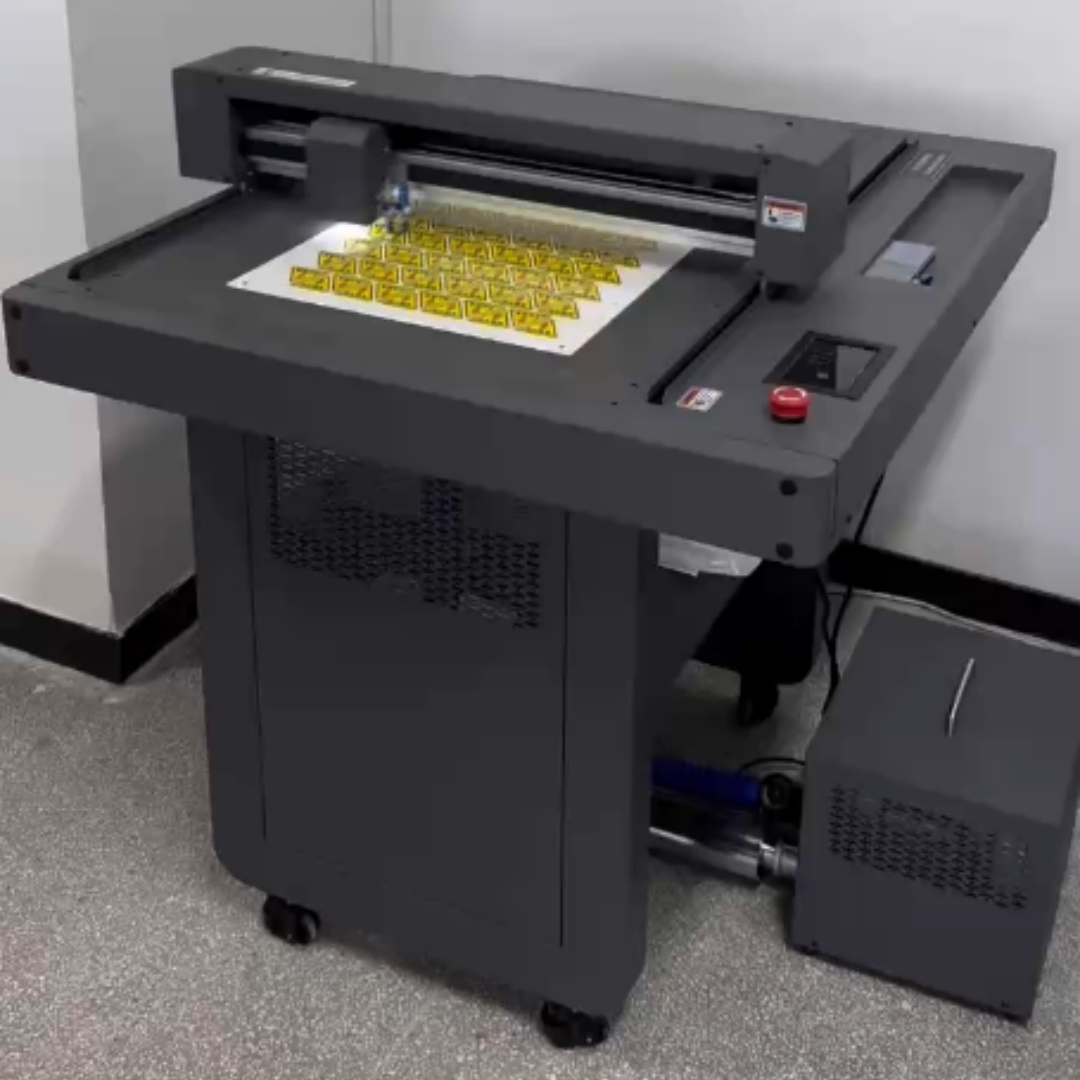
High-speed automatic die cutting equipment helps converters process large production volumes while maintaining dimensional accuracy and reducing material waste. This becomes particularly important when seasonal campaigns require fast turnaround and consistent quality.
Limited-edition products launched during the FIFA World Cup often rely on premium packaging to attract consumers. Lamination improves both visual appeal and product durability, making it one of the most widely used finishing processes for promotional packaging.
Common applications include:
Lamination Type | Typical World Cup Applications |
|---|---|
Gloss | Beverage cartons |
Matte | Gift boxes |
Soft-touch | Collector editions |
Anti-scratch | Premium merchandise |
For converters serving consumer brands, automated laminating systems help maintain consistent quality across large production runs while supporting multiple packaging styles.
Collector editions, sponsor gifts, VIP presentation kits, and commemorative products have become increasingly popular during major sporting events. These products often require rigid boxes that combine structural strength with a premium appearance.
Typical applications include:
Collector merchandise
Luxury gift sets
Sponsor presentation boxes
VIP hospitality gifts
Automated rigid box production improves positioning accuracy, production consistency, and overall manufacturing efficiency, allowing converters to respond more effectively to seasonal demand peaks.
Official tournament guides, commemorative books, premium photo albums, and collector publications continue to be important products throughout the FIFA World Cup. Their premium positioning requires durable construction and consistent finishing quality.
Typical production processes include:
Paper folding
Thread sewing
Case making
Casing-in
Pressing
Trimming
Modern hardcover production lines help manufacturers improve efficiency while maintaining the quality expected for premium collector editions.
As production volumes increase before the FIFA World Cup, packaging manufacturers must assemble thousands of cartons every day. Folder gluing plays a vital role in ensuring finished cartons are ready for downstream filling and distribution.
Applications include:
Food packaging
Beverage cartons
Cosmetic cartons
Promotional packaging
Retail cartons
Automated folder gluers improve production speed, reduce adhesive waste, and help converters meet demanding delivery schedules.
Consumer brands frequently introduce limited-edition labels during the FIFA World Cup to support promotional campaigns and increase product visibility. Beverage bottles, food packaging, and licensed merchandise often feature special graphics, QR codes, and collectible designs.
Label finishing processes typically include:
Die cutting
Slitting
Inspection
Rewinding
Foil decoration
Lamination
Efficient label finishing systems enable converters to handle multiple designs while maintaining high production efficiency and print quality.
Seasonal events such as the FIFA World Cup compress production schedules while increasing order volumes.
Packaging manufacturers are expected to deliver:
Higher output
Faster turnaround
More product variations
Premium finishing quality
Lower production costs
Meeting all of these requirements through manual production alone has become increasingly difficult.
As a result, more converters are investing in automated post-press finishing equipment to improve production flexibility, reduce labor dependency, minimize waste, and ensure consistent quality across high-volume orders.
Rather than simply increasing production speed, automation enables packaging manufacturers to respond quickly to changing customer requirements while maintaining the reliability expected by global consumer brands.
As packaging demand increases before the FIFA World Cup, manufacturers often face operational challenges that extend beyond production volume. Meeting customer expectations requires balancing speed, quality, flexibility, and cost while managing multiple packaging formats simultaneously.
Common challenges include:
Challenge | Impact on Production |
|---|---|
Tight delivery schedules | Shorter production windows |
Multiple product variations | Frequent job changeovers |
Premium quality requirements | More complex finishing processes |
Labor shortages | Higher dependence on automation |
Rising production costs | Pressure to improve efficiency |
Manufacturers that invest in automated post-press finishing equipment are generally better positioned to overcome these challenges while maintaining stable production quality.
Although the FIFA World Cup occurs every four years, the underlying market trends continue throughout the packaging industry.
Consumer brands are increasingly investing in premium packaging for seasonal campaigns, product launches, and limited-edition collections. As a result, packaging converters that develop flexible, automated production capabilities are better positioned to serve a wide range of industries beyond sports.
Several trends are expected to shape future demand.
Consumers increasingly value exclusive products that create a sense of rarity.
Brands continue to introduce:
Limited-edition gift boxes
Seasonal packaging
Holiday collections
Anniversary editions
Co-branded merchandise
These products typically require shorter production runs with greater design variation, increasing the importance of flexible finishing equipment.
Marketing campaigns are becoming shorter.
Rather than producing one packaging design for several years, many brands now update packaging multiple times each year to support promotions, collaborations, and social media campaigns.
Converters therefore require equipment capable of handling:
Quick job changes
Small and medium production runs
High repeatability
Minimal setup time
Automation makes this flexibility possible without sacrificing efficiency.
Across industries, premium packaging is becoming an important competitive advantage.
Products including cosmetics, electronics, confectionery, wine, watches, and consumer gifts increasingly rely on rigid boxes, specialty finishes, and luxury presentation to strengthen brand value.
For packaging manufacturers, this means demand for advanced finishing equipment is expected to remain strong even outside major sporting events.
Environmental considerations continue to influence packaging design worldwide.
Brands are increasingly requesting:
Paper-based packaging
Plastic reduction
Recyclable materials
Water-based coatings
Efficient material utilization
Modern post-press equipment contributes to these objectives by improving cutting precision, reducing waste, and supporting more sustainable production workflows.
As sustainability becomes a purchasing criterion for global brands, manufacturing efficiency and environmental performance are becoming equally important.
Digital manufacturing technologies are gradually transforming post-press operations.
Packaging factories are investing in:
Production monitoring systems
Intelligent quality inspection
Automatic material handling
Data-driven maintenance
Workflow integration
Instead of operating individual machines independently, manufacturers increasingly seek connected production lines that improve visibility, reduce downtime, and optimize overall equipment effectiveness.
The FIFA World Cup is widely recognized as one of the world's largest sporting events, but its influence extends far beyond football.
Behind every official jersey, collector's album, promotional display, beverage carton, luxury gift box, and retail campaign lies an extensive packaging supply chain supported by advanced post-press finishing technologies.
For packaging converters, the tournament highlights broader industry trends that continue long after the final match—growing demand for premium packaging, shorter production cycles, higher quality expectations, and increased automation.
As global brands continue to invest in seasonal promotions and limited-edition products, manufacturers equipped with efficient die cutting, laminating, rigid box making, hardcover book production, folder gluing, and label finishing solutions will be better prepared to capture new business opportunities and remain competitive in an evolving packaging market.
The FIFA World Cup drives demand for folding cartons, rigid gift boxes, retail display packaging, beverage cartons, labels, paper bags, and hardcover collector books. Food, beverage, sports merchandise, and promotional products account for the largest packaging volumes.
Most global brands begin developing promotional campaigns 12 to 18 months before the tournament. Packaging manufacturers need time for structural design, sampling, tooling, production planning, and large-scale manufacturing before products reach retailers.
Typical equipment includes die cutting machines, laminating machines, rigid box making machines, folder gluers, hardcover book production systems, and label finishing equipment. These processes transform printed sheets into finished packaging products.
Automation increases production efficiency, reduces manual labor, improves consistency, shortens setup times, and helps manufacturers meet tight delivery schedules during high-volume production periods.
Yes. Technologies and production capacity developed for major sporting events continue to support seasonal promotions, holiday campaigns, luxury packaging, e-commerce, and other limited-edition products throughout the year