Phone: +86-178-1682-8319 | Email: sales@befitter.com.cn

Views: 0 Author: Site Editor Publish Time: 2026-01-08 Origin: Site
Have you ever wondered what happens after the printing is done? The work doesn't end there. Post Printing is a crucial step in finalizing any printed project. It ensures the material is functional, durable, and visually appealing.
In this article, we will explore the essential post-printing techniques and why they matter. You will learn about the various processes like cutting, binding, and coating that complete the printed piece.
The post-printing process is the critical final stage in the life cycle of any printed material. After a project has been printed, post-printing techniques ensure that the printed material is durable, visually appealing, and structurally sound, ready for its intended use. This process encompasses various techniques, such as cutting, folding, binding, and coating, which are essential for refining the printed output.
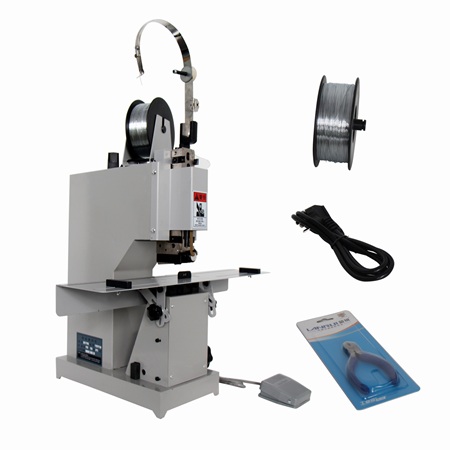
Post-printing techniques like lamination, UV coating, and binding are essential to ensure that printed materials are not only aesthetically pleasing but also long-lasting and functional.
Post Printing Technique | Key Benefit |
Lamination | Provides protection against moisture, dirt, and wear, ensuring longevity for frequently handled items. |
UV Coating | Enhances the visual appeal with a glossy finish while also protecting prints from fading and environmental damage. |
Binding | Keeps printed pages together securely, making the final product functional and intact, especially in books and catalogs. |
The post-printing process goes beyond just functionality, playing a crucial role in elevating the visual quality of printed materials.
Post Printing Technique | Visual Impact |
Embossing | Adds texture and depth, making printed materials feel more luxurious and visually striking. |
Foil Stamping | Creates eye-catching metallic and holographic effects, enhancing the premium feel of the material. |
Cutting | Allows for custom shapes and designs, ensuring a professional and polished appearance, ideal for marketing materials and packaging. |
Post-printing techniques like binding, folding, and collating ensure that the final product maintains its structural integrity. These processes are especially important for books, catalogs, and packaging, where correct assembly is crucial.
Post Printing Technique | Functionality |
Binding | Ensures that the printed material stays intact and organized, whether for magazines, brochures, or manuals. |
Collating | Organizes and arranges pages in the correct sequence, ensuring accuracy and preventing errors during final assembly. |
The post-printing process involves a wide range of techniques, each designed to address a specific need. Some of the most common post-printing techniques include cutting, folding, binding, embossing, and coating.
Cutting is an essential post-printing technique used to shape printed materials into their final form. Common cutting methods include die-cutting and guillotine cutting, both of which provide precision in shaping printed items.
● Die-Cutting: Die-cutting is used to create intricate shapes or designs in printed materials. This technique is often employed in packaging, custom stationery, and promotional materials.
● Guillotine Cutting: Guillotine cutting is a simpler technique used for cutting printed materials into standard shapes, such as rectangular forms for brochures, flyers, and posters.
The precision achieved through these cutting methods ensures that printed materials have clean edges and the desired shape, making them visually appealing and functional.
Both folding and collating are key techniques used in the post-printing process, especially for booklets, brochures, and catalogs.
● Folding: The role of folding in shaping printed materials cannot be overstated. It is used to create specific formats, such as brochures or booklets, ensuring that the printed content is presented correctly.
● Collating: Collating involves arranging the pages of a printed piece in the correct order before binding. This ensures that the final product is accurate and ready for distribution.
These techniques are essential for organizing and finalizing the printed project, ensuring that all pages are correctly aligned and formatted.
Binding is crucial for finalizing printed materials, especially books, catalogs, and manuals.
● Perfect Binding: This method involves gluing the pages together, typically used for thicker books and manuals. It gives a professional, polished look to the final product.
● Saddle Stitching: Common in magazines and brochures, saddle stitching involves stapling printed sheets together along the spine, ideal for thinner publications.
● Wire-O Binding: Wire-O binding uses metal rings to bind pages together, offering durability and flexibility. This method is often used for calendars, notebooks, and reports.
The choice of binding method depends on the type of printed material and its intended use, ensuring that the final product is both functional and visually appealing.
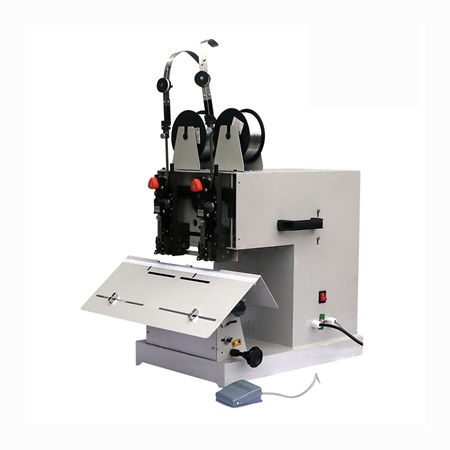
Embossing and debossing are techniques that add tactile and visual elements to printed materials.
● Embossing: Embossing creates raised patterns on the surface of printed materials, adding texture and visual interest. This technique is often used for high-end invitations, packaging, and branding materials.
● Debossing: In contrast, debossing creates recessed designs, which can be used for a more subtle effect. Both techniques are commonly used in luxury packaging and stationery.
These techniques help to elevate the quality of printed materials, making them stand out and feel more premium.
Foil stamping is a popular technique used to add metallic finishes to printed materials.
● Metallic and Holographic Foil: Foil stamping is used to apply metallic foils or holographic effects to printed surfaces, creating eye-catching highlights. This process is especially popular in business cards, invitations, and luxury packaging, where a premium appearance is desired.
This technique allows for customization and can make printed materials appear more sophisticated and exclusive.
Both lamination and UV coating serve to enhance the durability and aesthetics of printed materials.
● Lamination: This process involves covering printed materials with a protective plastic film, which prevents damage from moisture, dirt, and general wear. It is commonly used for items that will be handled frequently, such as menus, posters, and business cards.
● UV Coating: UV coating provides a glossy, protective finish that helps prevent fading and enhances the colors of the printed material. It also makes prints more resistant to dirt and fingerprints, providing long-term protection.
These coatings help extend the life of printed materials, ensuring they remain visually appealing and durable.
Surface finishing is essential for enhancing the appearance and texture of printed materials. Common techniques include sanding, polishing, and chemical smoothing.
Sanding and polishing are often used to smooth the surface of printed materials, especially 3D prints, by removing roughness or layer lines.
● Sanding: Sanding involves using abrasive paper to smooth the surface of printed items. It is especially useful for 3D printed parts, helping to achieve a smooth, clean surface.
● Polishing: Polishing further refines the surface finish, adding shine and improving the appearance of the final product.
● Chemical Smoothing: This technique, such as vapor smoothing for ABS plastic, involves using solvents to melt the surface of the print, creating a smoother finish without the need for manual sanding.
These techniques are particularly valuable for 3D printing and other projects where surface quality is crucial.
Adding texture or custom finishes is a great way to make printed materials stand out.
● Silkscreen Printing: Silkscreen printing allows for bold designs and patterns to be printed onto various surfaces, including textiles and paper.
● Textured Patterns: Custom textures can be applied to materials to create unique, tactile experiences that align with specific branding needs.
This level of customization allows businesses to create products that are not only functional but also visually distinctive.
Some post-printing techniques are specialized and provide unique benefits for certain types of projects.
Die-cutting allows for the creation of custom shapes, which is especially useful for packaging, promotional materials, and greeting cards.
● Custom Shaping: Die-cutting creates intricate, unique shapes that are not achievable through standard cutting methods. This adds a personalized touch to printed materials, making them more memorable and engaging.
Inserts, tipping, and other custom features enhance the functionality and appeal of printed projects.
● Inserts: Inserts add extra materials to a printed piece, such as business cards or promotional flyers, providing additional value.
● Tipping: Tipping involves attaching additional items, such as a coupon or a sample, to a printed project. This technique is commonly used for direct mail campaigns and high-end promotional items.
These features make printed materials more versatile and functional, helping businesses provide extra value to their customers.
Post-printing plays a vital role in ensuring that printed materials have their final, polished appearance and functionality. It involves essential processes like cutting, binding, and coating to refine the product. Businesses, publishers, and creatives can greatly benefit from collaborating with professionals to maximize the value of post-printing. Hangzhou Befitter Machinery & Electronic Co., Ltd. offers high-quality post-printing machinery, providing precise and reliable solutions that elevate printed materials to their full potential.
A: Post printing refers to the various techniques applied after printing to enhance the durability, appearance, and functionality of printed materials. This includes processes like cutting, binding, lamination, and embossing.
A: Post printing is essential because it ensures the printed materials are functional, durable, and visually appealing. It helps refine the final product by adding protection and improving its overall quality.
A: Common post printing techniques include cutting, binding, lamination, embossing, foil stamping, and UV coating. These processes enhance the printed material’s functionality and aesthetic value.
A: Post printing improves printed materials by adding protection, enhancing the texture, and ensuring the final product is polished. It can extend the material’s life and make it more professional.
A: The cost of post printing varies depending on the type of process and the complexity of the project. For example, embossing or foil stamping can be more expensive than basic cutting or folding.


