Phone: +86-178-1682-8319 | Email: sales@befitter.com.cn

Views: 0 Author: Site Editor Publish Time: 2026-03-16 Origin: Site
Print finishing is the key to turning standard printed materials into polished, professional pieces that leave a lasting impression. From die cutting and folding to perforating, drilling, and coating, each print finishing technique enhances both functionality and visual appeal. Whether you’re creating brochures, business cards, or packaging, understanding these essential techniques helps you make smarter design choices. In this guide, we’ll explore the most important print finishing methods, practical applications, and tips to elevate your marketing materials, ensuring your projects stand out in every detail.
Die cutting brings creativity into print finishing. It allows printers to transform ordinary sheets into unique shapes and structures. Instead of simple rectangles, we can produce curved edges, windows, tabs, and detailed outlines. Designers rely on die cutting when a printed piece needs more visual impact. Packaging, promotional materials, and retail displays often use this method. It turns flat prints into something more interactive and memorable.
Die cutting is a finishing process used to cut paper, cardstock, or other substrates into custom shapes. A specially shaped blade presses against the material and removes sections based on the design. The blade sits inside a tool called a die. It follows the outline of the desired shape. Once pressure is applied, the material separates cleanly along the cutting line.
This process helps produce items such as:
Custom product packaging
Door hangers
Shaped business cards
Labels and stickers
Pocket folders
Many marketing products rely on die cutting because it creates forms standard trimming cannot achieve.
The process involves a combination of cutting tools and mechanical pressure. First, designers create a die line, which outlines the final shape of the printed piece. Then the die tool is manufactured to match that outline.
The typical workflow looks like this:
The printed sheets are placed into a die cutting machine.
The die presses against the sheet under strong pressure.
Blades cut through the material following the design path.
Excess material separates from the finished shape.
Some dies also perform additional tasks. They may crease, perforate, or score the material at the same time. This helps prepare packaging pieces for folding or assembly.
Different production needs require different machines. Print shops choose equipment based on volume, speed, and design complexity.
| Machine Type | Best For | Production Speed | Typical Applications |
|---|---|---|---|
| Platen Die Cutter | Thick materials and detailed cuts | Medium | Packaging, folders |
| Rotary Die Cutter | High-volume production | Very fast | Labels, cards |
| Digital Die Cutter | Short runs and prototypes | Moderate | Custom designs |
Each system supports a different stage of modern print production.
Platen die cutting uses a flat press system. A steel rule die sits on a flat surface while the sheet presses against it under heavy pressure. It works well for thicker materials and detailed shapes. Printers often use it for packaging components, pocket folders, or presentation materials.
Advantages include:
Precise cutting results
Ability to add creasing or perforation
Good performance on heavy cardstock
However, it may run slower than rotary systems during large production runs.
Rotary die cutting uses a cylindrical cutting system. The die wraps around a rotating cylinder, which continuously cuts sheets or rolls of material as they move through the machine. Because of its speed, this system is ideal for large-scale printing projects.
Typical uses include:
Labels and stickers
Business cards
Hang tags
Large-volume packaging components
Manufacturers choose rotary machines when efficiency and speed matter most.
Digital die cutting removes the need for physical dies. Instead, a computer-controlled cutting head follows a digital design file. This approach offers flexibility. Designers can change shapes quickly without producing new tooling.
Digital systems are especially useful for:
Short production runs
Prototypes and product samples
Custom packaging designs
Corrugated board cutting
They also support a wide range of materials, including paperboard and synthetic sheets.
Die cutting plays a major role in both packaging and promotional printing. Many products rely on custom shapes to improve presentation and usability.
Common applications include:
Retail packaging boxes
Custom product sleeves
Presentation folders
Door hanger advertisements
Promotional mailers
Display cards and inserts
Packaging designers often combine die cutting with creasing and folding. This allows flat printed sheets to form structured containers or displays. Retail environments benefit from these designs. Shaped packaging helps products stand out on crowded shelves.
Custom shapes capture attention quickly. A unique outline makes printed materials more noticeable than standard rectangular formats.
Several marketing advantages come from die-cut designs:
Stronger visual impact – unusual shapes attract attention faster.
Improved brand identity – logos or product silhouettes can become the shape itself.
Better engagement – interactive formats invite people to pick up the piece.
Memorable presentation – distinctive materials stay longer in the viewer’s mind.
For example, a die-cut mailer shaped like a product instantly communicates its purpose. Consumers recognize it before even reading the message. Creative design combined with precise die cutting allows brands to turn simple print pieces into engaging marketing tools.
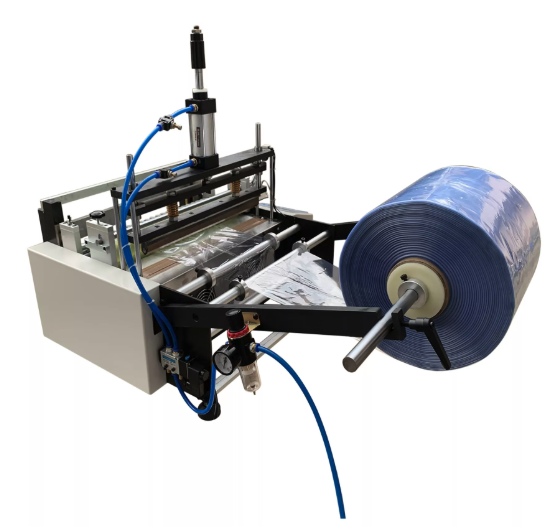
Folding transforms flat sheets into functional, eye-catching formats. It helps organize content, guide readers, and create a polished presentation. Without proper folding, even high-quality prints can look unfinished or unprofessional.
Folding adds both practicality and style to printed materials. It allows designers to:
Control information flow for easier reading
Reduce the size for mailing or display
Create interactive experiences for audiences
Enhance visual appeal and perception of quality
A well-folded brochure or booklet immediately feels more professional. It also helps printed pieces fit envelopes, packaging, or display racks efficiently.
There are several common folding styles. Each style serves a different design goal and audience experience.
| Folding Style | Description | Typical Uses |
|---|---|---|
| Half Fold | Single fold dividing sheet in half | Greeting cards, simple brochures |
| Tri-Fold | Sheet folded into three panels | Marketing brochures, menus |
| Z-Fold | Zig-zag style, folds in alternating directions | Mailers, pamphlets, instructional guides |
| Gate Fold | Two outer panels open to reveal central panel | Luxury brochures, product reveals |
| Accordion Fold | Multiple folds creating zig-zag panels | Event programs, maps, step-by-step guides |
Each fold type allows for creative layouts. Designers often combine folds with other finishing techniques for maximum impact.
Folding affects both structure and storytelling. It controls how readers experience the content and guides attention to key messages.
Benefits include:
Creates separate panels for organized content
Adds interactive reveal effects for engagement
Increases perceived value of the printed piece
Works well with embossing, UV coating, or lamination for premium feel
A precise fold ensures clean edges and professional alignment. Even small differences in folding can change how users perceive quality. Using folding creatively can turn a simple brochure into a memorable, tactile marketing tool that encourages readers to explore every panel.
Perforating and drilling are finishing techniques that improve functionality and organization. They let printed materials become interactive, easier to handle, or ready for filing.
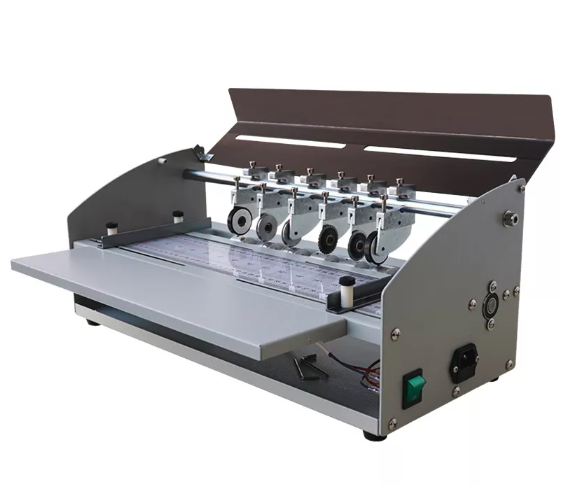
Perforation creates a series of small holes along a line. These holes allow sections to tear away cleanly.
Key points about perforation:
Makes tear-off coupons, tickets, or forms easy to remove
Can be straight, zig-zag, or custom patterns
Applied using rotary tools, perforating machines, or multi-finishers
Perforation balances durability and convenience. It keeps sections intact until users need to separate them.
Perforated sheets appear in many marketing and operational materials. Common examples include:
Coupons and promotional offers
Raffle tickets or event passes
Response cards for surveys or subscriptions
Invoice stubs or remittance slips
Perforation ensures users interact with printed items efficiently without damaging surrounding content.
Drilling involves creating round holes through sheets. It’s primarily used for organizing and filing materials.
Important details:
Holes are made using rotary or drill press machines
Manual handheld drills work for small batches
Hole sizes and patterns vary for different binder types
Drilling helps printed sheets fit into binders, notebooks, or folders cleanly and consistently.
Hole drilling is essential for office, educational, and professional documents. Applications include:
| Application | Description |
|---|---|
| Ring Binders | Aligns pages for easy flipping and filing |
| Notebooks & Workbooks | Prepares pages for consistent binding |
| Instruction Manuals | Ensures organized assembly for manuals |
| Office Forms | Allows quick insertion into folders or filing systems |
Drilled holes improve accessibility and make handling large volumes of printed materials simpler.
Die cutting is a process that cuts paper, cardstock, or other substrates into custom shapes using a specialized die. It allows for unique forms like packaging, shaped business cards, or promotional items.
Popular folding techniques include Half Fold, Tri-Fold, Z-Fold, Gate Fold, and Accordion Fold. Each fold type organizes content differently and can create interactive, visually engaging materials.
Perforation creates small holes along a line, allowing sections to tear off cleanly. It is commonly used for coupons, tickets, forms, and removable cards.
Drilling creates round holes in sheets for filing or binding. It can be done with manual or rotary drills and is used for ring binders, notebooks, instruction manuals, and office forms.
Print finishing transforms ordinary prints into engaging, tactile experiences that captivate audiences. By mastering techniques like custom die cutting, precise folding, and smart perforating, your materials can feel both professional and interactive.
Hangzhou Befitter Machinery & Electronic Co., Ltd. offers solutions to streamline these processes, helping you achieve consistent quality and efficiency. Explore how thoughtful finishing choices can strengthen brand presence, boost engagement, and make every printed piece a memorable part of your marketing strategy.


