Phone: +86-178-1682-8319 | Email: sales@befitter.com.cn

Views: 0 Author: Site Editor Publish Time: 2026-01-08 Origin: Site
Do you know how intricate shapes are precisely cut from various materials like paper, fabric, or metal? It's all thanks to the Die Cutting Machine. This essential tool plays a crucial role in industries ranging from packaging to automotive.
In this ultimate guide, we’ll explore the world of die cutting, covering its types, uses, and how to choose the right machine for your needs. By the end of this article, you’ll have a clear understanding of which die cutting machine is best suited for your business or creative projects.
A die cutting machine is a specialized tool used to cut, shape, or emboss materials with high precision. Die cutting technology has evolved significantly over the years, shifting from manual methods to fully automated systems. The core purpose of a die cutting machine is to produce consistent shapes and sizes from various materials, reducing waste and increasing efficiency.
Historically, die cutting was first introduced in the mid-19th century, originally used for leather cutting in the shoe industry. Over time, the technology expanded to other materials such as paper, fabric, and metal, transforming industries like packaging and textiles. Today, die cutting machines are integral to both small-scale crafts and large-scale industrial production.
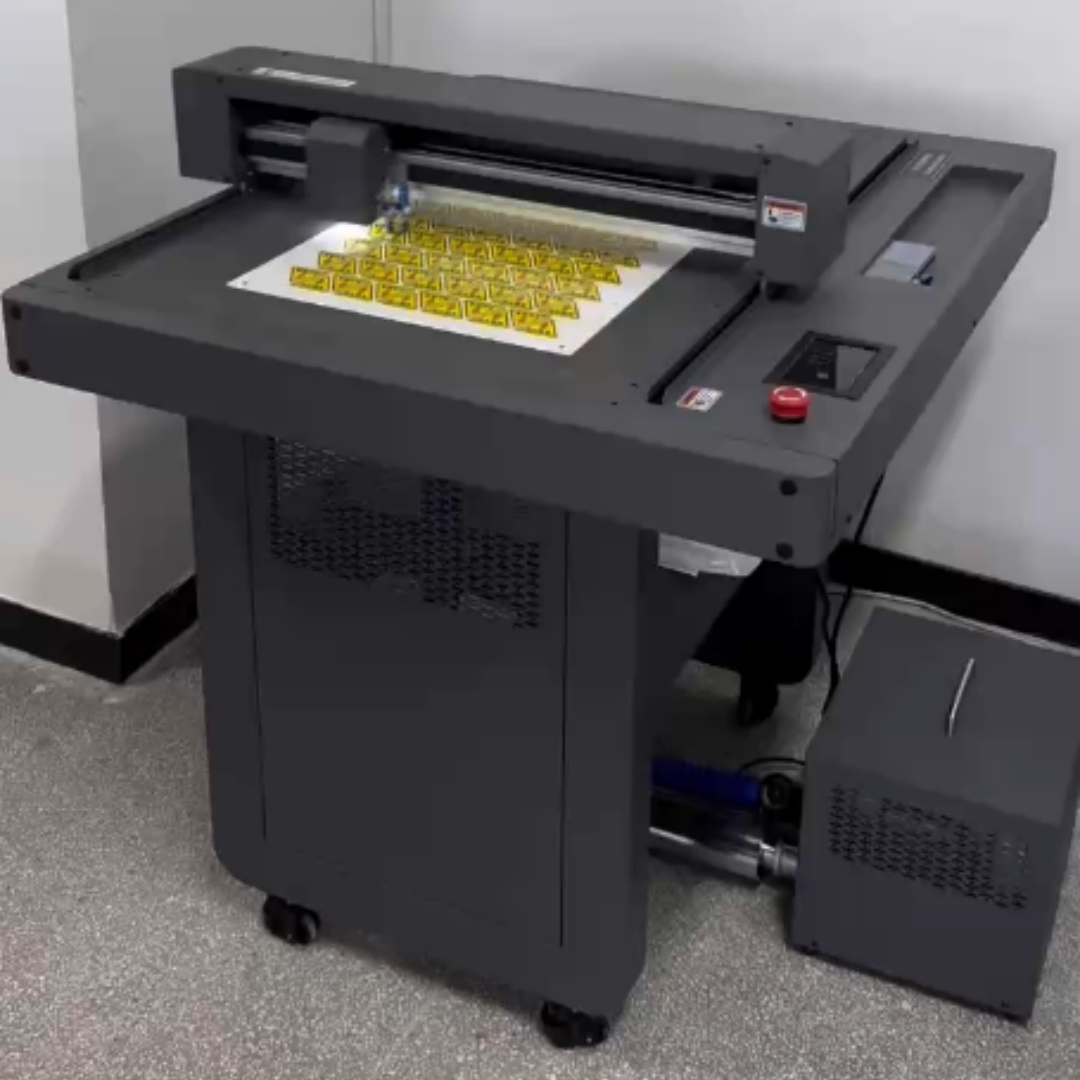
The process behind a die cutting machine involves several key components working together to apply pressure to the material, cutting it into a predetermined shape. The main parts of a die cutting machine include:
● The Die: This is the cutting tool that determines the shape. It can be made from metal, typically in the form of a steel rule or rotary blade.
● Cutting Pad: Protects the machine and material while ensuring a clean cut.
● Pressure Mechanism: Applies consistent pressure to ensure precise cutting.
● Material Feeding System: Moves the material through the machine, ensuring accurate alignment.
These components work in harmony to deliver a clean, precise cut every time. The machine’s pressure and alignment ensure that even intricate designs are consistently produced without flaws.
There are several types of die cutting machines, each suited to different production needs:
● Manual Die Cutting Machines: Operated by hand, these machines are often used for small-scale projects like crafts or custom stationery.
● Semi-Automatic Die Cutting Machines: These machines combine manual effort with motorized assistance, offering a balance between precision and speed for medium-scale businesses.
● Automatic Die Cutting Machines: Fully automated machines designed for high-volume production. They are used in industrial settings and can handle large batches with minimal manual intervention.
A die cutting machine can process a wide range of materials, making it versatile for various industries. Some common materials include:
● Paper: Ideal for packaging, cards, and labels.
● Cardboard: Perfect for creating sturdy packaging materials such as boxes.
● Fabrics and Leather: Used for fashion and upholstery industries.
● Rubber and Foam: Common in gasket making and product packaging.
● Metals: Precision die cutting is used for creating components in automotive and aerospace industries.
The flexibility of die cutting machines makes them suitable for many different production environments.
Die cutting machines are essential for creating a variety of products. Common items produced include:
● Packaging Materials: Boxes, custom shapes, and corrugated materials.
● Labels and Stickers: High precision for custom branding or product identification.
● Automotive Parts: Die cutting is used for producing seals, gaskets, and trim components.
● Crafts and Custom Designs: In arts and crafts, intricate shapes and designs are cut for scrapbooking, card making, and custom home décor.
The die cutting machine is utilized across numerous industries due to its efficiency and versatility. Key sectors include:
● Packaging: Die cutting is used for producing packaging materials like folding cartons, boxes, and inserts.
● Automotive: Die cutting aids in creating components like seals, gaskets, and other small parts used in assembly.
● Textiles: From upholstery to fashion design, die cutting provides precise cuts for fabric and leather.
● Printing: Die cutting is crucial in finishing printed products, including creating labels, greeting cards, and brochures.
The cutting force of a die cutting machine determines its ability to handle various materials and thicknesses. Machines with higher pressure capabilities can cut through thicker or denser materials, while machines with precise control offer cleaner, more intricate cuts. Precision is critical for industries requiring consistent quality, such as packaging and automotive parts manufacturing.
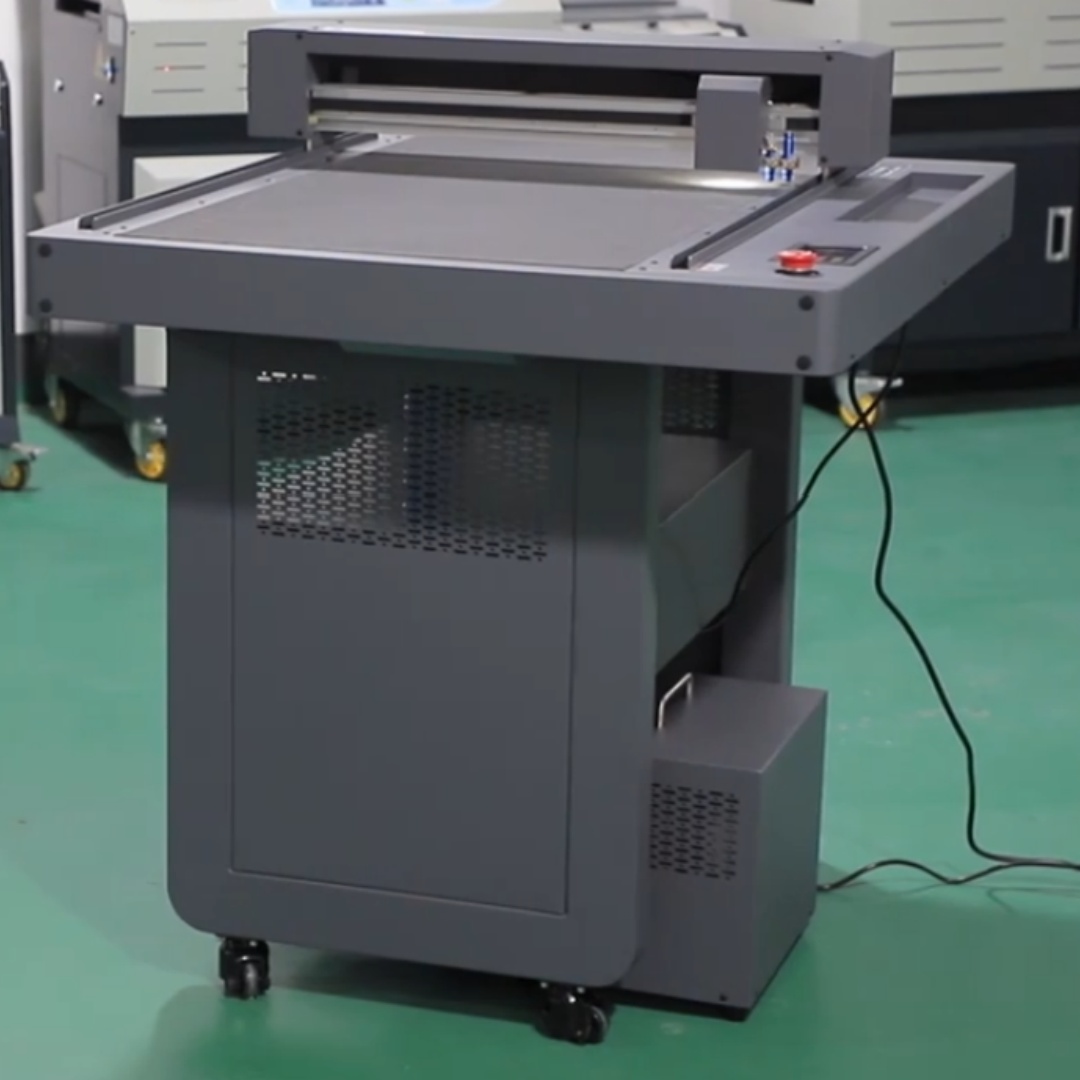
Different die cutting machines are designed to handle specific materials. Some machines are equipped to cut thin paper, while others can handle thick cardboard or leather. When selecting a machine, consider the material types you will be working with regularly to ensure optimal performance and durability.
Material Type | Recommended Machine Type |
Thin Paper (e.g., Newsprint) | Manual or Semi-Automatic |
Mid-Weight Board (e.g., Copperplate Paper) | Semi-Automatic or Automatic |
Thick Cardboard (e.g., Corrugated Board) | Automatic with High Pressure |
Leather and Fabrics | Digital or Manual Machines |
For businesses requiring large-scale production, speed and efficiency are crucial. High-speed die cutting machines are designed to deliver thousands of cuts per minute. Choosing a machine with the right speed for your production needs can significantly reduce lead times and improve overall productivity.
Digital die cutting machines offer enhanced precision by allowing users to design and customize shapes using software. This software enables the creation of intricate designs that are automatically fed into the machine, reducing human error and increasing the consistency of the output. It is ideal for businesses that require a high degree of customization in their products.
The first step in selecting the right die cutting machine is understanding your specific needs. Whether you need a machine for mass production or small, intricate cuts, choosing the right type of machine based on your application is key to optimizing performance and reducing costs.
Different die cutting machines are designed to handle different material thicknesses. Choose a machine that matches the materials you intend to use most frequently. For example, if you are cutting through heavy cardboard, a machine with higher cutting pressure is essential, whereas lighter materials like paper may require a machine with less force.
The volume of your production plays a critical role in selecting the machine. For small businesses or crafters, a manual or semi-automatic die cutting machine may suffice. However, for larger operations requiring high throughput, automatic machines are more efficient and can handle larger quantities of materials.
When choosing a die cutting machine, balance your budget with the machine's features and capabilities. While high-end machines may come with a hefty price tag, their efficiency and features may provide long-term cost savings, especially in terms of reduced waste and increased production rates.
Manual die cutting machines are ideal for small-scale operations or hobbyists. The Sizzix Big Shot is a popular example. It’s affordable, easy to use, and versatile enough for various materials such as paper, fabric, and thin metal. However, it’s less suitable for large volumes of work due to its slower speed.
Digital machines like the Cricut Explore Air 2 and Brother ScanNCut DX offer precision and customization. These machines are perfect for intricate designs and allow users to create custom cuts using software, offering greater flexibility than manual machines.
Industrial die cutting machines, such as hydraulic rotary cutters, are built for high-volume production. These machines can handle large quantities of materials like cardboard, metal, and plastic, ensuring high-speed operation with minimal downtime.
Regular maintenance is crucial to prolong the life of your die cutting machine. Clean the machine after each use, check for worn-out components, and replace cutting dies as needed. Following the manufacturer’s maintenance schedule will help avoid unexpected downtime and costly repairs.
Always follow safety guidelines when operating a die cutting machine. Keep your hands and other body parts away from the cutting area, and ensure the machine is powered off when not in use. Use appropriate safety gear like gloves and eye protection to minimize risks.
Most modern die cutting machines come with adjustable settings that allow you to customize pressure and speed. Use these settings to optimize the machine’s performance based on the material type and the design complexity, ensuring consistent results with minimal effort.
Choosing the right Die Cutting Machine is crucial for achieving precise results. The machine must align with your production needs, material types, and budget. When selecting, consider key features like cutting force, material compatibility, and efficiency. Hangzhou Befitter Machinery & Electronic Co., Ltd. offers high-quality die cutting machines that provide reliable performance, versatility, and excellent value for businesses in various industries.
A: A Die Cutting Machine is used to cut, shape, or emboss materials like paper, fabric, and metal with precision. It uses a die to achieve clean and consistent cuts.
A: A Die Cutting Machine applies pressure to a material through a die, which shapes or cuts it into specific forms. This process is highly efficient for both small and large-scale production.
A: Die Cutting Machines can handle various materials such as paper, cardboard, fabric, rubber, and even metals, making them highly versatile for different industries.
A: Choosing the right Die Cutting Machine ensures precision, reduces waste, and increases productivity. It helps you achieve optimal results for your specific material and production needs.
A: The cost of a Die Cutting Machine varies depending on features, size, and automation level. Manual machines are more affordable, while automatic and industrial models come at a higher price.
A: Die Cutting Machines offer high-speed cutting, precise shapes, reduced labor, and minimal material waste, making them essential for industries like packaging, textiles, and automotive.


